

New Haven, Connecticut, experiences a diverse range of weather conditions throughout the year, offering residents and visitors a taste of all four seasons. Understanding these patterns can help us appreciate our environment and prepare for seasonal changes.
Seasonal Weather Patterns
Spring
Spring in New Haven brings a gradual warming trend. Average high temperatures increase from around 47.7°F (8.7°C) in March to 68.3°F (20.2°C) by May. Rainfall is moderate, with May averaging approximately 3.89 inches (98.81 mm) of precipitation. This season is characterized by blooming flora and longer daylight hours, making it a pleasant time for outdoor activities.
Summer
Summers are warm and humid, with July being the hottest month, averaging highs of 83.1°F (28.4°C). Rainfall during this period is fairly consistent, with July receiving about 3.57 inches (90.68 mm) of precipitation. The combination of warmth and humidity can lead to occasional thunderstorms, so it’s advisable to stay updated on weather forecasts during outdoor plans.
Autumn
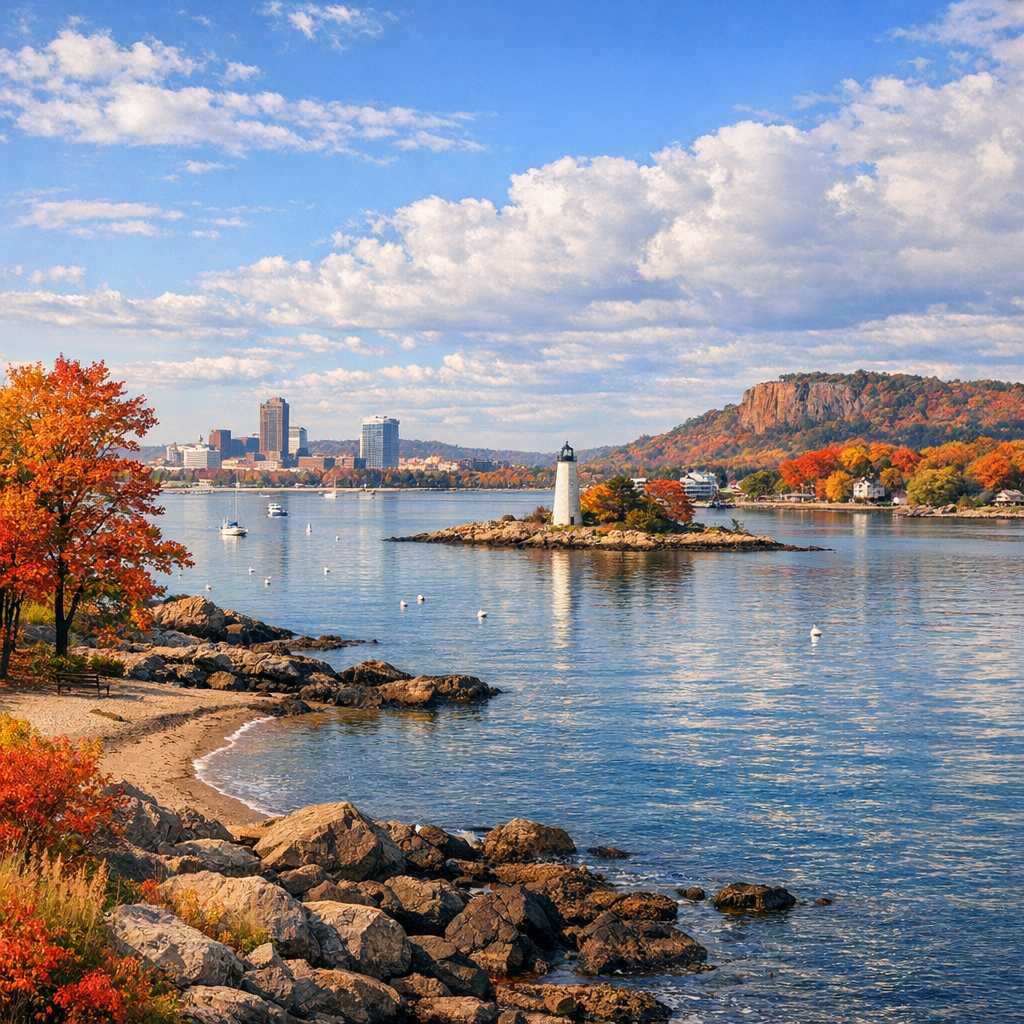
Autumn sees a gradual cooling, with September averaging highs of 75.7°F (24.3°C) and November dropping to 53.1°F (11.7°C). October tends to be the wettest month, averaging 4.85 inches (123.19 mm) of rainfall. The season is renowned for its vibrant fall foliage, attracting many to the region’s parks and natural areas.
Winter
Winters are cold and snowy. January is the coldest month, with average lows around 23.2°F (-4.9°C). Snowfall averages 29 inches annually, with January typically being the snowiest month. Residents should be prepared for winter storms and ensure their homes and vehicles are winter-ready.
Climate Change Considerations
Climate change poses challenges to New Haven’s environment. The city has recognized the urgency of this issue, adopting a Climate Emergency Resolution in 2019, aiming to end community-wide greenhouse gas emissions by 2030. Efforts include electrifying city buildings and vehicles and implementing the Safe Routes for All Active Transportation Plan to promote sustainable transportation options.
Understanding our local climate and supporting sustainability initiatives can help mitigate the impacts of climate change and preserve New Haven’s environment for future generations.