

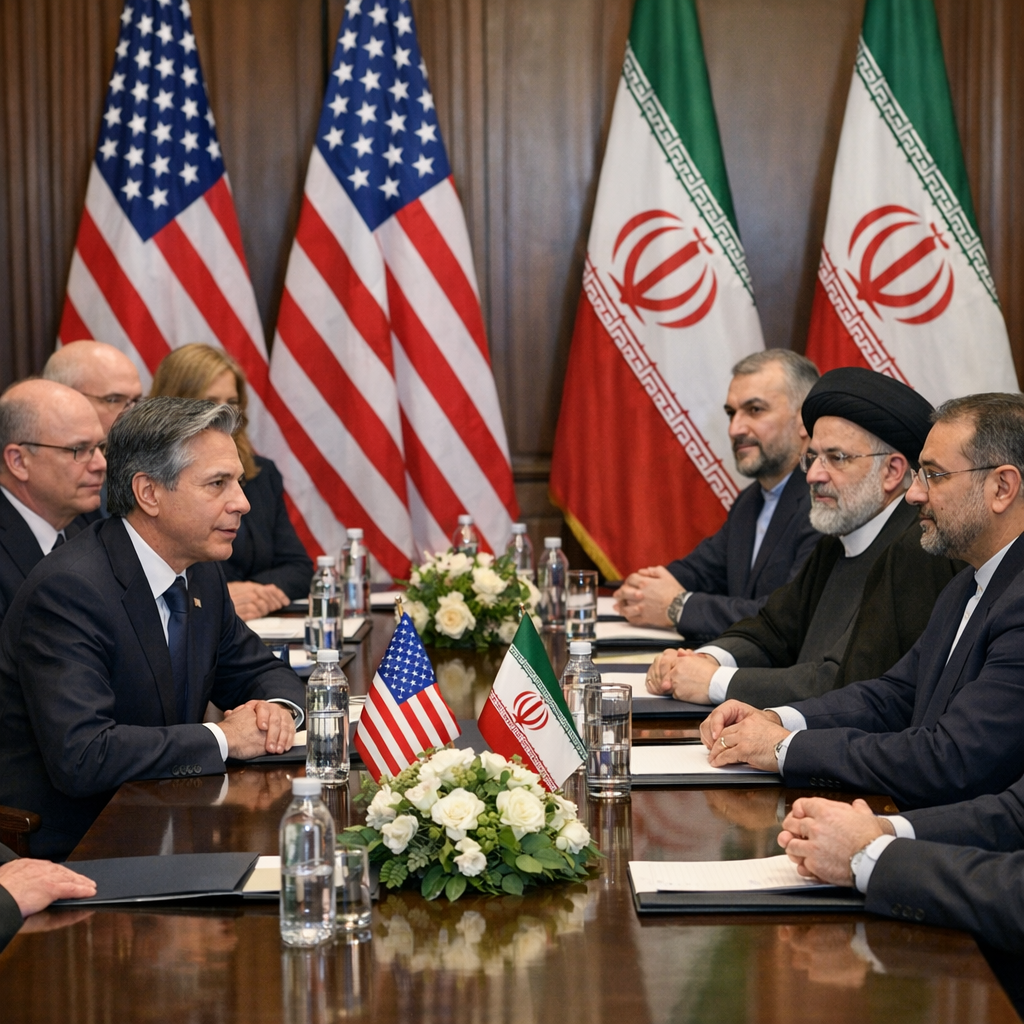
In recent developments, the United States and Iran have reached a significant agreement aimed at de-escalating tensions and promoting stability in the Middle East. This accord has garnered attention both nationally and internationally, prompting discussions on its potential ramifications.
Key Provisions of the Agreement
The agreement primarily focuses on Iran’s commitment to forgo the development or acquisition of nuclear weapons. In return, the United States has agreed to assist in reopening the Strait of Hormuz, a crucial maritime passage for global oil shipments. This mutual understanding is seen as a step toward reducing hostilities and fostering diplomatic relations between the two nations.
Economic Implications
The reopening of the Strait of Hormuz is anticipated to have a stabilizing effect on global oil markets. With the strait being a vital conduit for oil exports, its accessibility is crucial for maintaining steady oil prices and ensuring energy security worldwide. Economists suggest that this development could lead to a decrease in oil prices, benefiting consumers and industries reliant on petroleum products.
Political Reactions
Domestically, the agreement has elicited a range of responses. Supporters view it as a pragmatic approach to international diplomacy, emphasizing the importance of dialogue over confrontation. Critics, however, express concerns about the long-term effectiveness of the accord and question whether it adequately addresses broader issues related to Iran’s regional activities.
Local Perspective
For residents of New Haven, Connecticut, and the broader United States, the agreement’s outcomes could manifest in various ways. Potential reductions in fuel prices may alleviate transportation costs, while a decrease in international tensions could contribute to a more stable global environment. However, it remains essential for citizens to stay informed and critically assess how such international agreements align with national interests and values.
As the situation continues to evolve, ongoing monitoring and analysis will be crucial in understanding the full impact of the U.S.-Iran agreement on both domestic and international fronts.